
Glulam in Practice
Glulam is commonly used across residential, commercial, agricultural and public buildings. It can work well where structural beams are required to span distances, support load, or remain visible as part of the design.
1. Can I Use Glulam for My Project?
This is usually the first question people ask, and it’s a fair one.
The short answer is: often, yes.
The honest answer is: it depends on a few key things.
Glulam is commonly used across residential, commercial, agricultural and public buildings. It can work well where structural beams are required to span distances, support load, or remain visible as part of the design.
Whether it is suitable for a specific project depends on the structural requirements and must be assessed properly rather than assumed.
2. What Determines Whether Glulam Is Suitable
Glulam isn’t a one size fits all product. Suitability depends on how the beam needs to perform within the structure.
Key factors include:
The span the beam needs to cover
The loads it will carry
How it is supported
Whether it is internal or external
Whether it will be exposed or concealed
These factors work together. A change in one can significantly affect what size or type of beam is required.
Glulam is chosen based on performance, and appearance.

3. Why Section Size Matters
One of the most common frustrations around glulam is pricing.
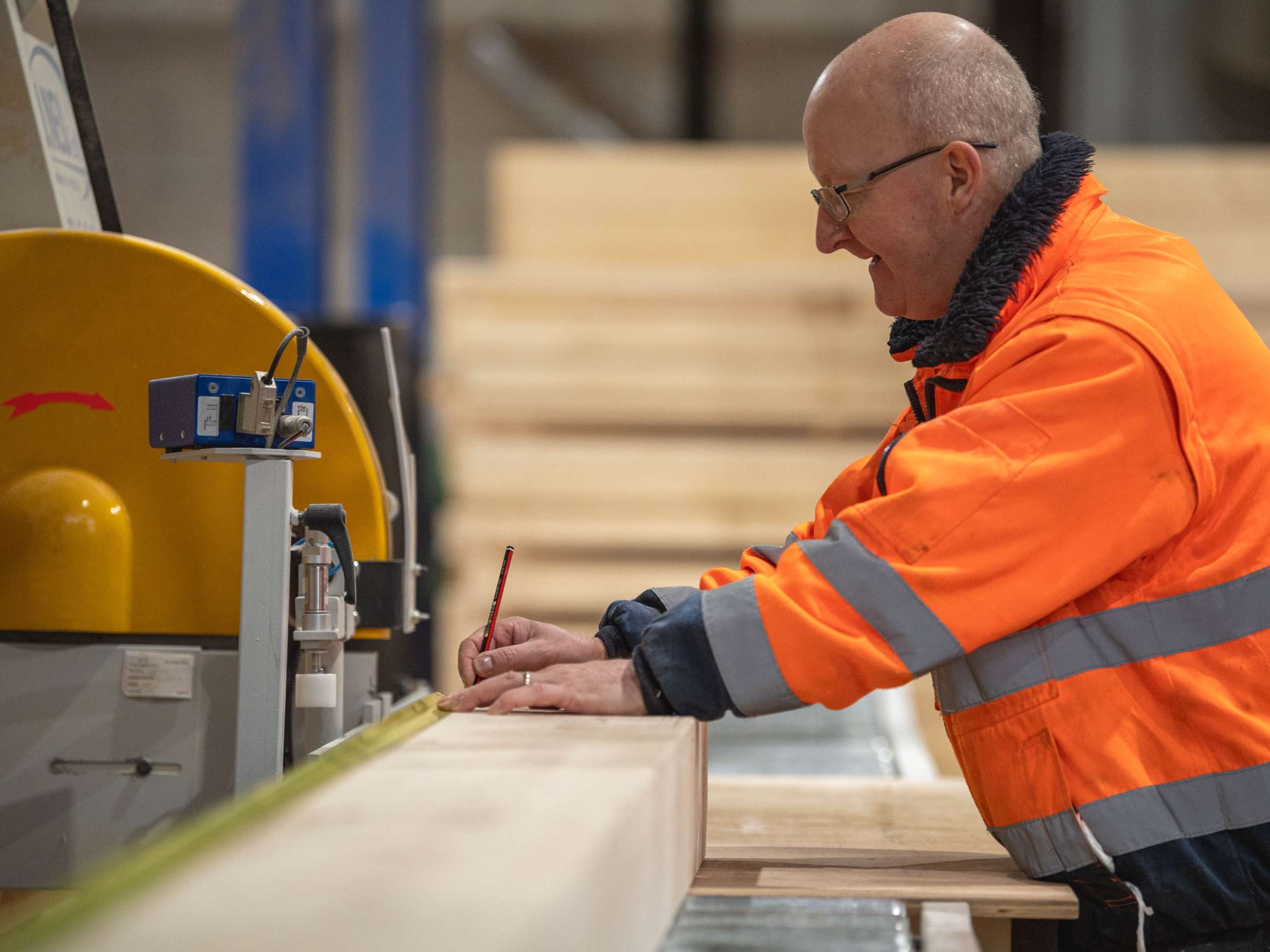
Unlike some materials, glulam can’t be priced accurately based on span alone. Section size and grade are what drive both performance and cost.
Two beams that span the same distance can be very different in size depending on loading, support conditions, and design intent. Without a defined section size, any indication of cost would be misleading.
This isn’t about being difficult. It’s about being honest and avoiding assumptions that lead to problems later.
4. Why Glulam Is Often Treated as the Alternative
In many projects, steel or concrete are specified as the default structural materials. This is rarely because glulam isn’t suitable.
More often, it comes down to familiarity.
Steel and concrete are deeply embedded in everyday design workflows, software, and precedent. Under time pressure, it’s easier to continue with what’s already known.
Glulam is often introduced later in the process, once another solution has already been designed. At that point, changing materials can feel like a complication rather than an opportunity.
This isn’t a capability issue. It’s a timing issue.
5. Why Timing Changes Everything
When glulam is considered early, it can be evaluated properly alongside other structural options. When it’s introduced late, it’s often compared against an already designed solution.
Late stage substitution can lead to:
Additional design work
Increased cost
Hesitation or compromise
Early consideration allows glulam to be assessed on its merits, rather than treated as an afterthought.
Glulam works best when it’s part of the initial conversation, not a late stage swap.
6. Sustainability as a Design Consideration
Sustainability is increasingly part of early design discussions, and material choice plays a role in that conversation.
Glulam is manufactured from timber, a renewable resource, and makes efficient use of material by combining smaller sections into high-performing structural members. Its strength to weight ratio and long service life mean it can contribute to efficient structural solutions when specified appropriately.
7. Fire Performance as a Design Characteristic
Fire performance is an important part of structural design and should be considered early, regardless of material choice.
Glulam has a defined and documented fire behaviour. In fire conditions, the surface of the beam chars at a predictable rate, forming an insulating layer that helps protect the structural core. This behaviour is recognised in design standards and can be taken into account by the structural engineer as part of the overall fire strategy.
As with all structural materials, fire performance must be assessed and designed by a qualified structural engineer in line with project requirements and applicable standards.
8. The Role of the Structural Engineer
A structural engineer is responsible for determining whether glulam is appropriate for a project, defining the required beam size and grade, and ensuring the structure performs as intended.
This isn’t a barrier to using glulam. It’s what allows it to be used properly.
Engaging a structural engineer early helps ensure glulam is assessed as part of the overall structural strategy, rather than introduced later once another solution has already been fixed.
AJ Laminated Beams supplies and processes glulam to engineer-approved specification. We do not provide structural design or calculations.
For projects where glulam is being considered, working with an engineer who has experience with timber and glulam structures often leads to earlier, more productive conversations.
9. Connections Matter Too
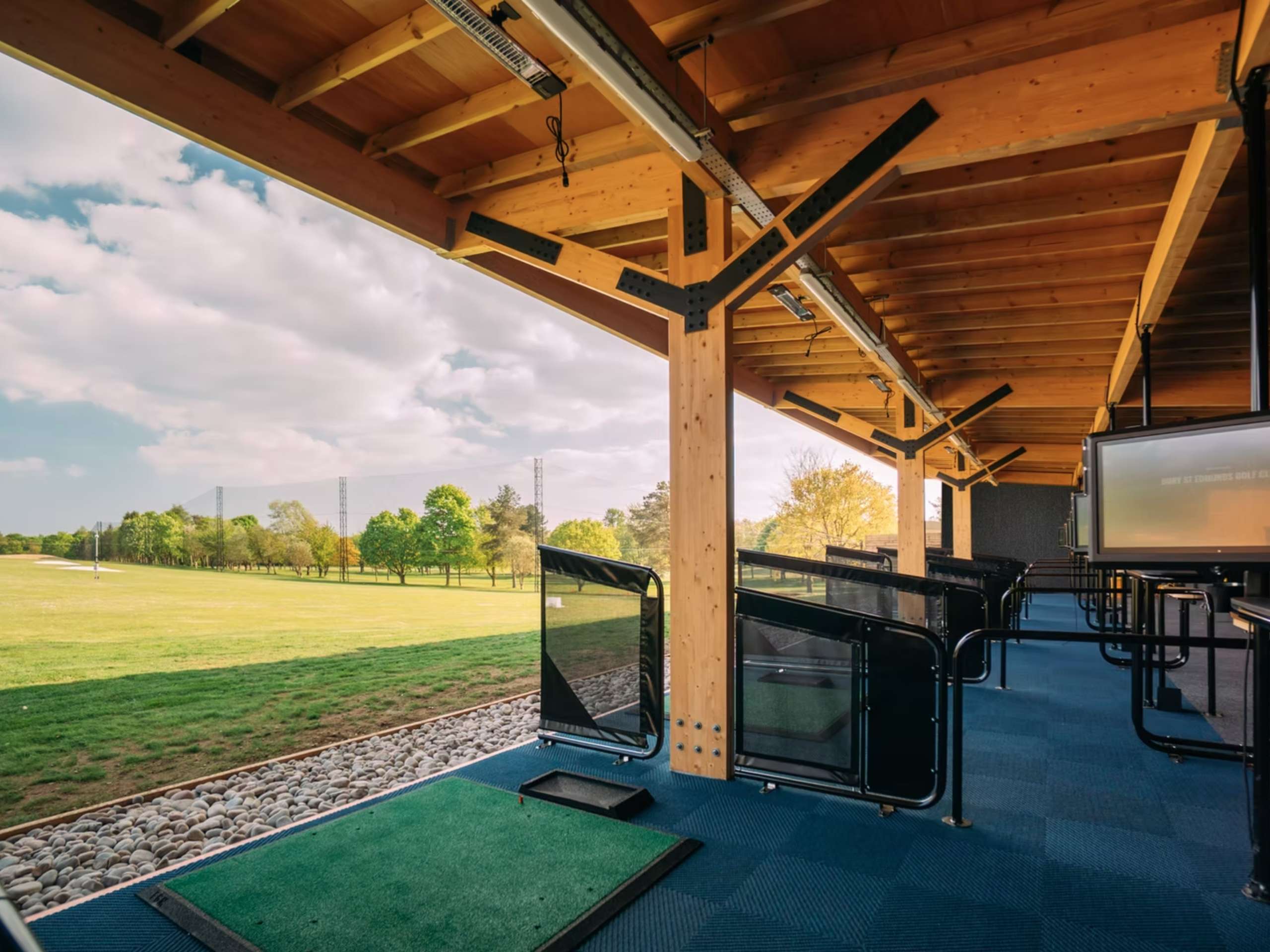
A glulam beam is only one part of the structural system. How it connects to the rest of the structure is just as important as the beam itself.
Connections influence:
Structural performance
Installation on site
Appearance
Coordination and sequencing
They should be considered alongside the beam design, not left as a last-minute detail.
All connections must be designed and approved by a structural engineer.
10. Coordinating Beams, Connections, and Supply
Our role is to support engineer-led design by supplying glulam beams prepared to specification. Where required, we can also help coordinate the supply of compatible connection components to simplify procurement and reduce site issues.
This coordinated approach helps ensure beams and fixings arrive ready to install, with fewer surprises on site.
For more detail on connection types and options, visit our dedicated page:
A Sensible Starting Point
If you’re considering glulam, the most useful thing you can do is:
Raise it early in discussions
Avoid assumptions based on appearance or precedent
Engage a structural engineer before designs are fixed
Clear understanding at the right stage leads to better outcomes.
If you already have an engineer-defined beam size and would like to discuss availability, lead times, or processing, you’re welcome to get in touch.